Welcome to The Weekly Scroll!
The Weekly Scroll is a once-a-week roundup of the most interesting, strangest, and funniest stories from around the social internet.
This week, we’re talking about the rise of AI influencer slop, the hot trend taking over Harry Potter fandoms, and YouTube’s fight against clippers.
AI influencer slop is growing
Comedians don’t take kindly to joke theft.
But comedian George Brett Olson went viral this week with a post about an unusual form of joke theft: A fully AI-generated OnlyFans model was stealing his jokes. Even weirder than that, the “model” was also stealing his outfits:
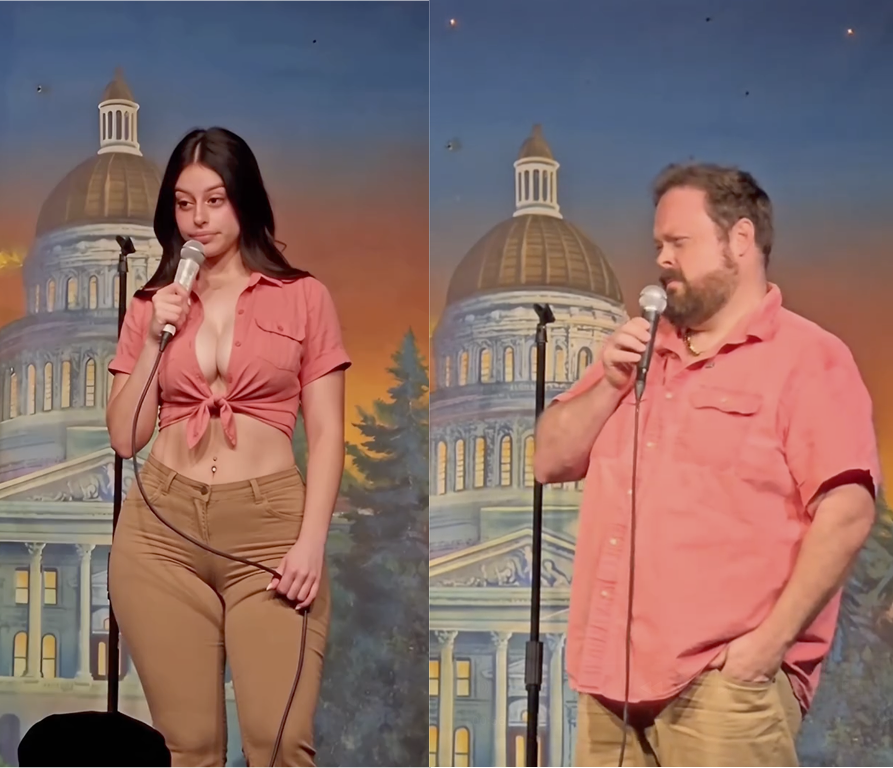
The thieving account, operating under the name “Tiffany Sloane,” was copying content from real comedians and putting their words in a Pixar Mom-shaped model as a growth hack strategy — a way to drive traffic to an OnlyFans featuring the same AI-generated model.
Now, on the one hand, Instagram appears to have nuked the account, and all its posts have been wiped. But on the other hand, the growth hack worked: Sloane accumulated more than 350,000 followers. And if Olson’s video hadn’t gone viral, “Tiffany” would still be pulling the same stunt and getting away with it.
There are a lot of growth hacks out there designed to drive people from regular social media to the more salacious corners of the internet. Many livestreamers active in the Hot Tub Meta — a content strategy where female influencers stream while lounging in hot tubs wearing bikinis — also have OnlyFans accounts they’re promoting. And a few years back, other adult models realized that podcast clips were hot, so they started filming fake podcast segments of shows that don’t exist to use as clips for their socials.
But the addition of AI (and the blatant theft) makes this feel even grosser than those strategies.
Sadly, I think this is a sign of things to come. Earlier this year, Wired ran a story about fully AI-generated hot MAGA girls who were racking up millions of followers — and yes, driving people to OnlyFans or similar sites. What’s depressing is that these AI influencers aren’t even very good, but the trick still works: The Hot Girl MAGA accounts were not even a little bit believable — one of the characters had selfies with both Donald Trump and Vladimir Putin! And even with stolen jokes, the AI comedian above has no sense of timing or delivery whatsoever.
But there’s an audience out there that will still lap it up. All you need is a generically pretty face and a waist-to-hip ratio that would make an anime character blush, and you’ll be drowning in engagement.
The internet’s gooners aren’t the only ones entranced by low-quality AI slop. Even though YouTube has made efforts to crack down on the lowest-effort AI videos, as I’m writing these words one of the most popular videos this week is this AI-generated short of a baby. It’s been up for eight days and has more than 135 million views. Which, I have to say, is incredibly grim.
Facebook went through a period of Shrimp Jesus slop they still haven’t fully recovered from, with credulous boomers commenting “Amen” beneath bizarre AI-generated pictures. There are now startups bragging that they can automate the entire influencing process with fake personas.
It’s a frightening possibility to think that our tech overlords could be shoveling this kind of low-quality content down our throats because it helps their bottom lines. But it’s both more frightening and more plausible to me to think that maybe, just maybe, this is what people want. They like the slop, they’re eager for more, and whoever’s serving it to them is just fulfilling the authentic demand for unlimited AI-generated garbage.
The AI doomers were right
Colombian livestreamer Westcol learned the hard way exactly how the robot apocalypse will happen: First they knock us out. Then they do Fortnite emotes over our lifeless bodies.
YouTube goes after clippers
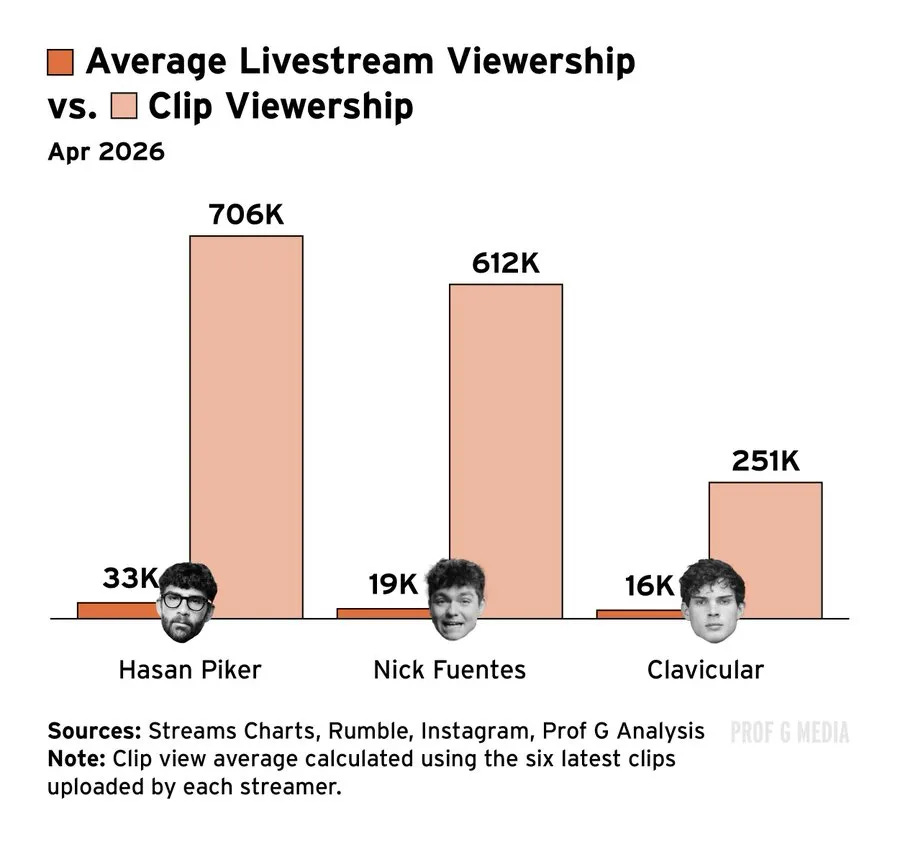
Longtime Weekly Scroll readers will know that one of my obsessions for the past year has been how the clipping economy influences our perceptions of online fame. Creators used to make clips of their content as a way to drive people to that content. But today, popular livestreamers, podcasters, and YouTubers exist in a weird paradigm where the entire purpose of long-form content is to create short, viral clips. The clips are no longer promo. They’re the entire game.