Tickets are on sale now to see Matt Yglesias and Jerusalem Demsas argue LIVE in Washington, D.C. Come talk politics and policy with us (and a few special guests) at Miracle Theatre on Dec. 9. We can’t wait to see you there!
Paid subscribers save nearly 40% on tickets. It’s not too late — upgrade your subscription today and find your discount information here.
On Jan. 5, 2024, a door plug blew out on a Boeing 737 Max. No one was hurt, but terrifying videos made it clear we were very lucky that the seat next to the door was empty. For the next several months, minor aviation incidents — a windshield cracking upon landing, a “mechanical problem” forcing an airliner back to its gate — made headlines. It felt like Boeing planes were falling apart everywhere. But they weren’t; we were just paying more attention to minor safety incidents that happen all the time.
So for the last several months, I have been watching reports of frightening cybersecurity incidents pile up and trying to figure out the answer to a very high-stakes question: Is the “cyberpocalypse” upon us? Are things actually getting worse, or are we just paying more attention?
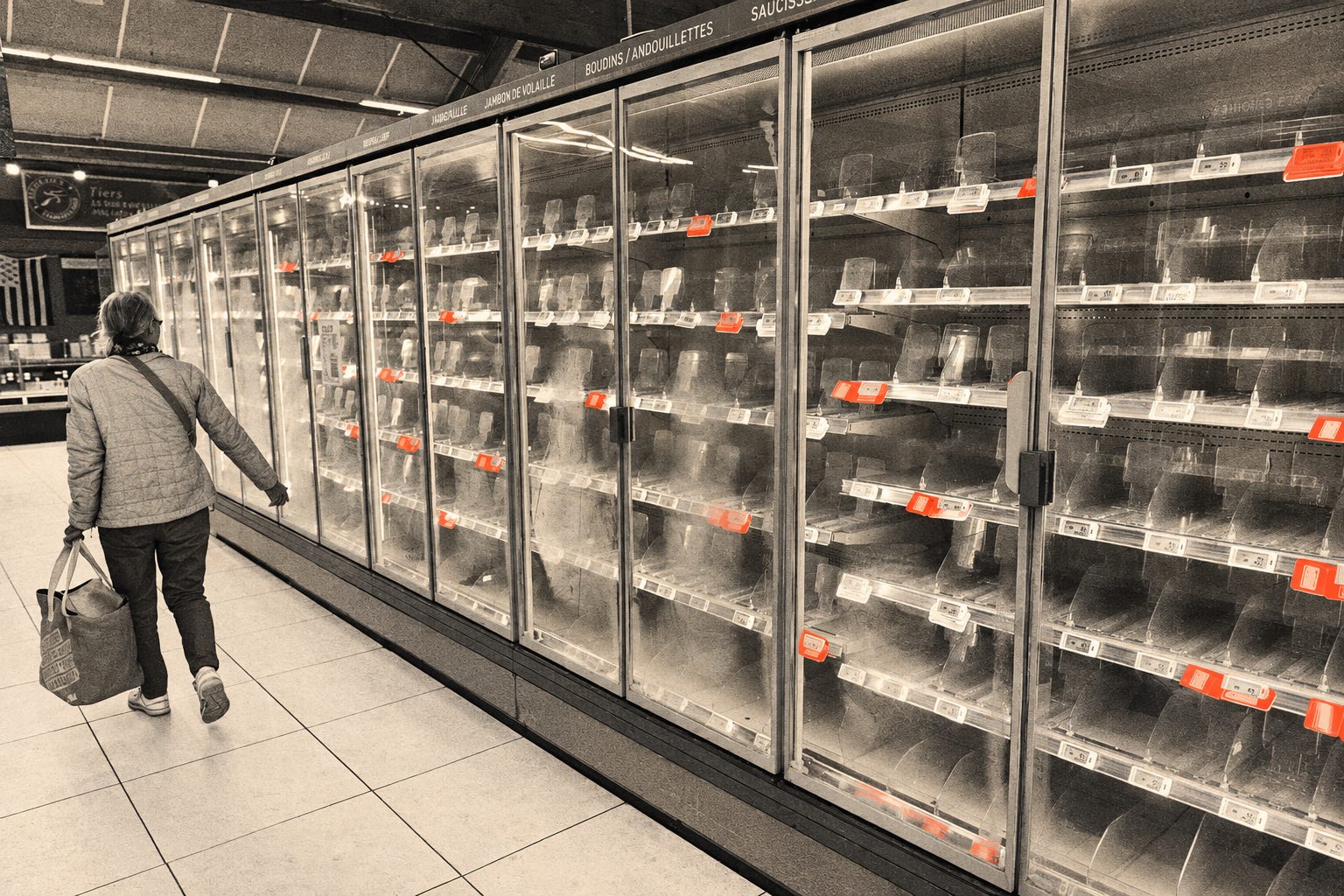
The headlines are certainly alarming: The world saw its first $6 billion heist (of cryptocurrency, of course). Europe reported a string of cyberattacks on supermarkets. A Norwegian oil and gas operation experienced a targeted cyberattack. The FBI was hit with an intrusion into its national criminal justice database. Illinois blocked “an apparent cyberattack attempt … at the Algonquin Dam on the Fox River.” The West Virginia legislature suffered a possible ransomware attack. The list goes on.
Cybersecurity is one of the first arenas where AI has dramatically changed the game: LLMs can identify software vulnerabilities far faster than human hackers. That might not be as big a problem as it sounds if defenders can generally patch problems before they are exploited. But it could also lead to a world where the cost of doing business online is permanently higher — or where services we’ve grown to count on as reliable go dark for weeks, wreaking economic and social havoc.
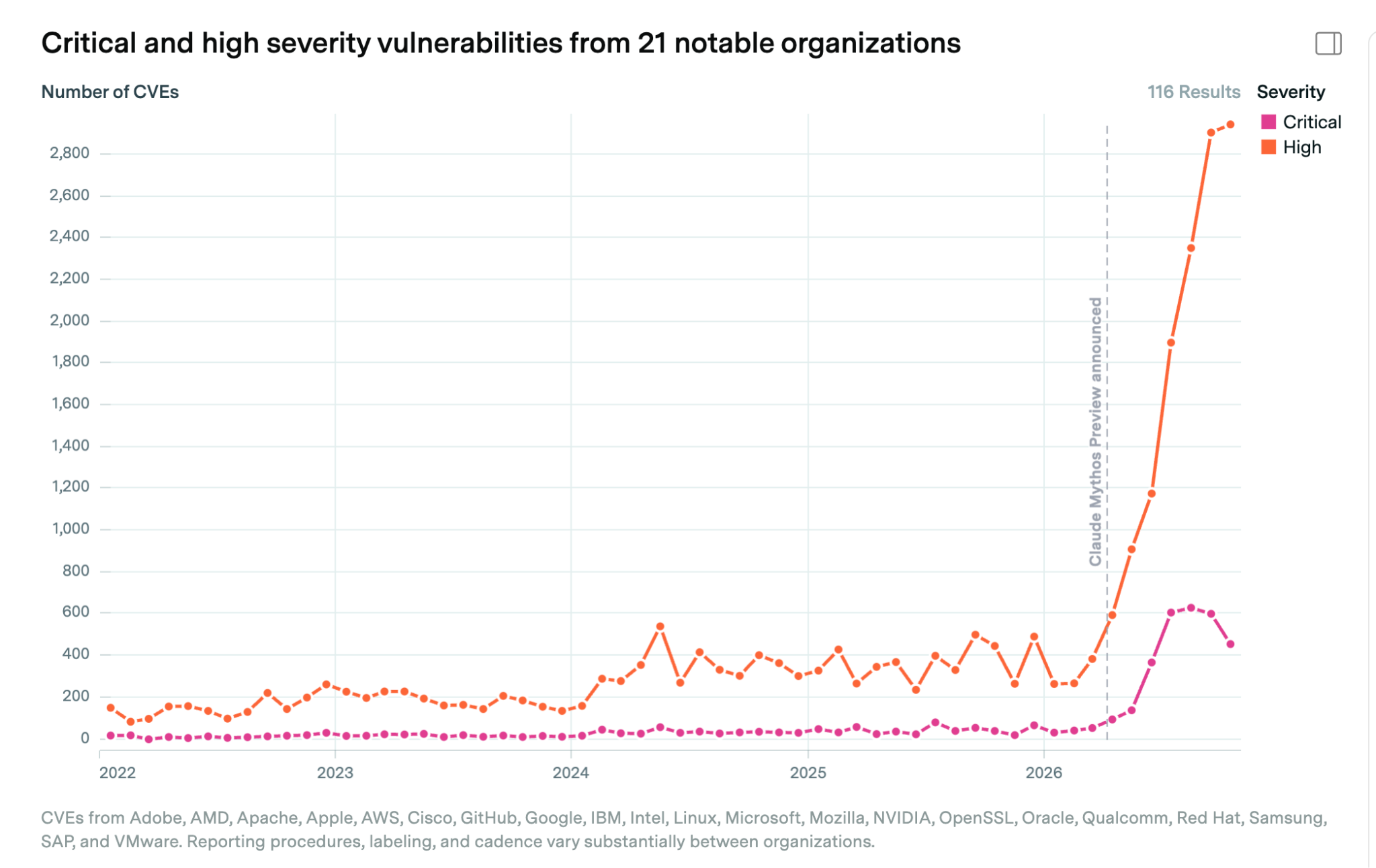
The number of critical vulnerabilities being discovered is already way, way up — and we’re still in the early days of AI hacking. Fixing each vulnerability takes time from engineers working on the patches, and then it requires every single person with an affected device to download the update.1
If this is our new normal, then we are all collectively underreacting to the risks these vulnerabilities could pose to critical infrastructure. At minimum, it’s worth thinking about: If my family was without power, without running water, without electronic payments, or without internet access for a week, would we be okay?
I’m not a prepper. I don’t want to ride out the apocalypse in a bunker; I want to prevent it through policy. But it’s a good idea to be in a position to weather these disruptions: Have cash, food, and water on hand. It’s pro-social to be prepared for emergencies; you will reduce the demand for emergency assistance and be in a position to help your neighbors.
But even as I pitch preparedness, I have to acknowledge that not all indicators point in the same direction.
The case for fear
We know very definitively that the number of critical vulnerabilities being discovered in software is way, way up.