

Editor’s note: The first essay The Argument ever published asked, “How do we live with each other?” To mark our first anniversary on Aug. 17, we’re returning to that founding question with a series about what we owe people whose beliefs and choices we may find difficult to accept or even understand. Over the next six weeks, familiar voices at The Argument and new voices alike will approach that question from different angles.
Today, staff writer Jeremiah Johnson takes on the problem of living together online. So much of our politics, culture, and daily life happens on the internet, and it’s tearing us apart. What can we learn from the healthy communities of the internet? Are some platforms healthier than others? I put these questions to Jeremiah, and his answers offer some grounds for hope.
To receive every essay in this series, subscribe today.
– Jerusalem Demsas
The internet’s toxicity isn’t good for anyone, but it’s especially bad for liberals. Liberalism is a social technology that allows people with profoundly different value systems to live together. It doesn’t require you to agree with your opponents or even to respect their views all that much, but it does require you to accept that they have a right to express those views and live their lives in accordance with their own values.
These habits can be difficult to practice offline, but they’re even more difficult online. And that only helps extremist political ideologies.
Social media rewards moral clarity rather than ambiguity. Explaining the complicated reasons a specific policy is misguided takes time and effort, and doing so asks the audience to hold several ideas at once. “The system is rigged and shadowy elite forces are screwing you” is emotionally legible in the blink of an eye.
Simplistic good-versus-evil narratives are easier to communicate quickly, and they’re more likely to provoke the behaviors that platforms measure: clicking, liking, sharing, and replying. Illiberal politics thrives in this kind of environment, where the distinction between an opponent and an enemy is collapsed.
If we want people to be able to disagree online without becoming enemies, we’ll have to defend the corners of the internet that reward something other than conflict.
What’s wrong with the modern internet?
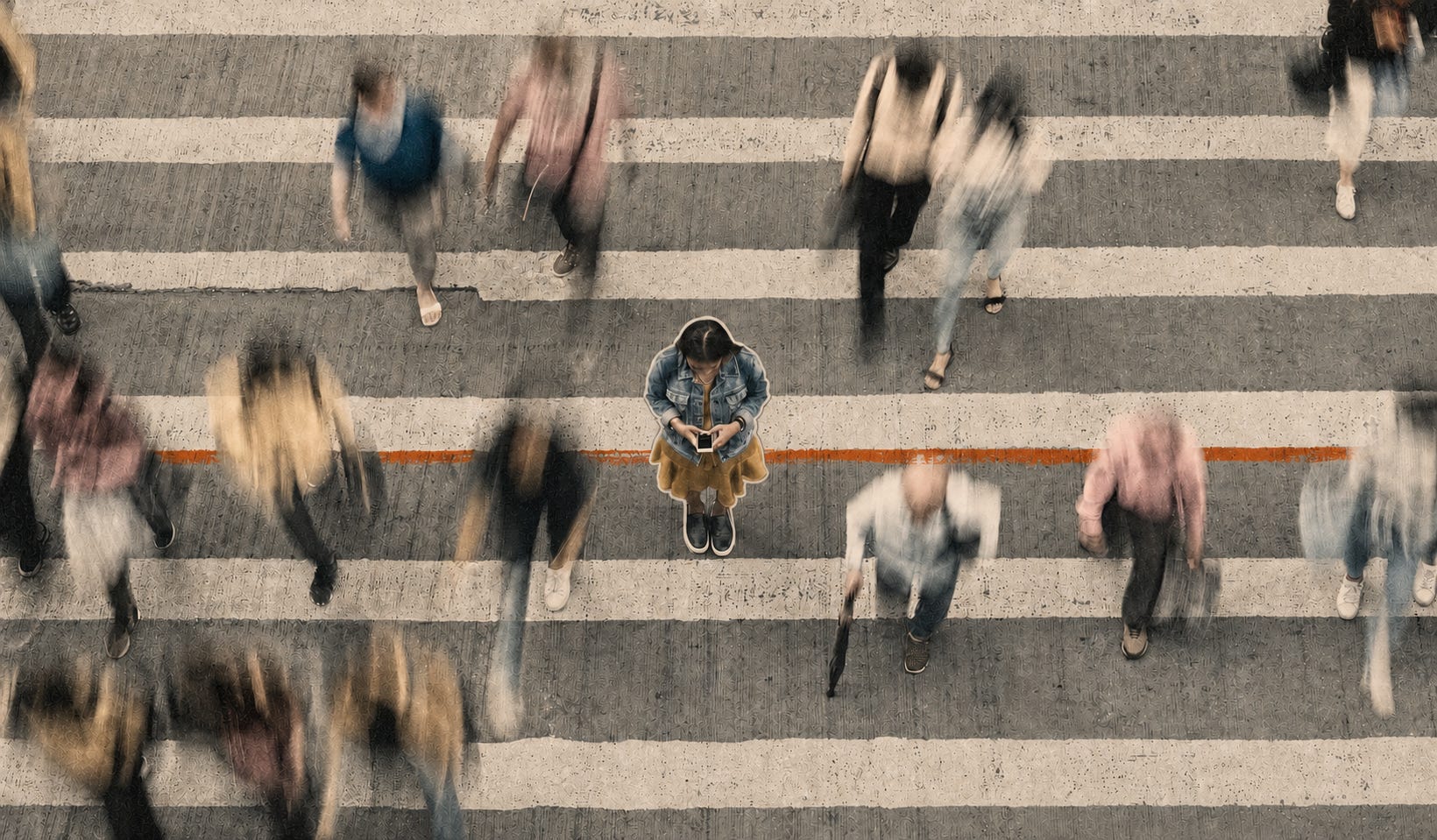
It’s important to start with a diagnosis of the problem, and I think that the main problem with the modern internet is that we are simultaneously seeing too much of each other and too little. We can interact with almost any person on the globe, but the part of them we see is limited to the content incentivized by algorithms. And the incentives that govern human behavior are very different on social media than they are in real life.
Your neighbor is someone you see often. Your kids might play together. Maybe she attends your church or plays in your softball league. You know things about her separately from her opinion on hot-button political issues. Maybe you clear her driveway of snow in the winter. Perhaps she brought you soup when you were sick. If you have a political disagreement, it exists inside a grounded, real-world relationship.
On the internet, none of that grounding exists. In real life, people understand that you should act differently at a bar than you would at work or at home or at a funeral. But the internet and social media have destroyed many of these distinctions. Instead, billions of people are pulled into one global conversation, where distinct local practices and norms melt away and are replaced by universal rules. Media theorists call this context collapse — the flattening of multiple audiences or situations into a single, global context.
When someone spouts a bad opinion on social media, that’s all you see them as — a bad opinion, stripped of context. You don’t know anything else about them, and, in most cases, you’ll never have another interaction with this particular anonymous person.
Offline, you build trusted relationships that are maintained over years of repeated interactions. Online, you build an audience.
Social media encourages us to think of ourselves as authors, as broadcasters narrating a point of view rather than as normal people embedded in a community. Thinking of ourselves this way changes how we interact with everyone around us. Your incentive isn’t to maintain a harmonious relationship with a neighbor you have a long-standing rapport with. It’s to put on a performance for your followers.
Opinions become content. Rather than asking how our actions might impact those around us, we instead think about how those actions look to the invisible crowd. Anonymity supercharges this dynamic — nameless avatars face essentially no repercussions for insulting, boorish behavior.
The way we have built our social media networks makes these conflicts even worse. Extreme views draw more reactions and engagement, which means algorithms are more likely to push them to the top of your feed. For the same reasons, conflict is inherently more viral than agreement. We all end up with a timeline full of loud, angry people shouting extreme viewpoints at each other, fighting like cats and dogs.
The first step in learning how to live together online is figuring out which social media spaces are still functioning well.