

Jerusalem will be answering reader questions on a special “Ask Me Anything” episode of The Argument podcast. If you’re interested in asking a question about building a new publication, liberalism, housing, NIMBYism, politics, or anything else, send a voice memo to podcast@theargumentmag.com.
The fall of the Weimar Republic and the rise of Nazi Germany have an irresistible hold on the Western imagination. What makes the example of Weimar especially chilling is that the factors behind its downfall — inflation, depression, austerity — are all recognizably modern. The nouns are economic.
Economics can’t explain everything — the Nazis’ popularity also grew out of the unresolved trauma of wartime defeat and Germany’s long history of antisemitism. But it’s undeniable, especially when one looks at the chronology, just how much economic events shaped the collapse of German democracy.
Weimar Germany is not modern America — it’s not even the best model of how American democracy might slip into authoritarianism1 — but avoiding its fate starts with understanding it.
If we’re going to talk about Weimar, we should get the history right.
Mythbusting hyperinflation
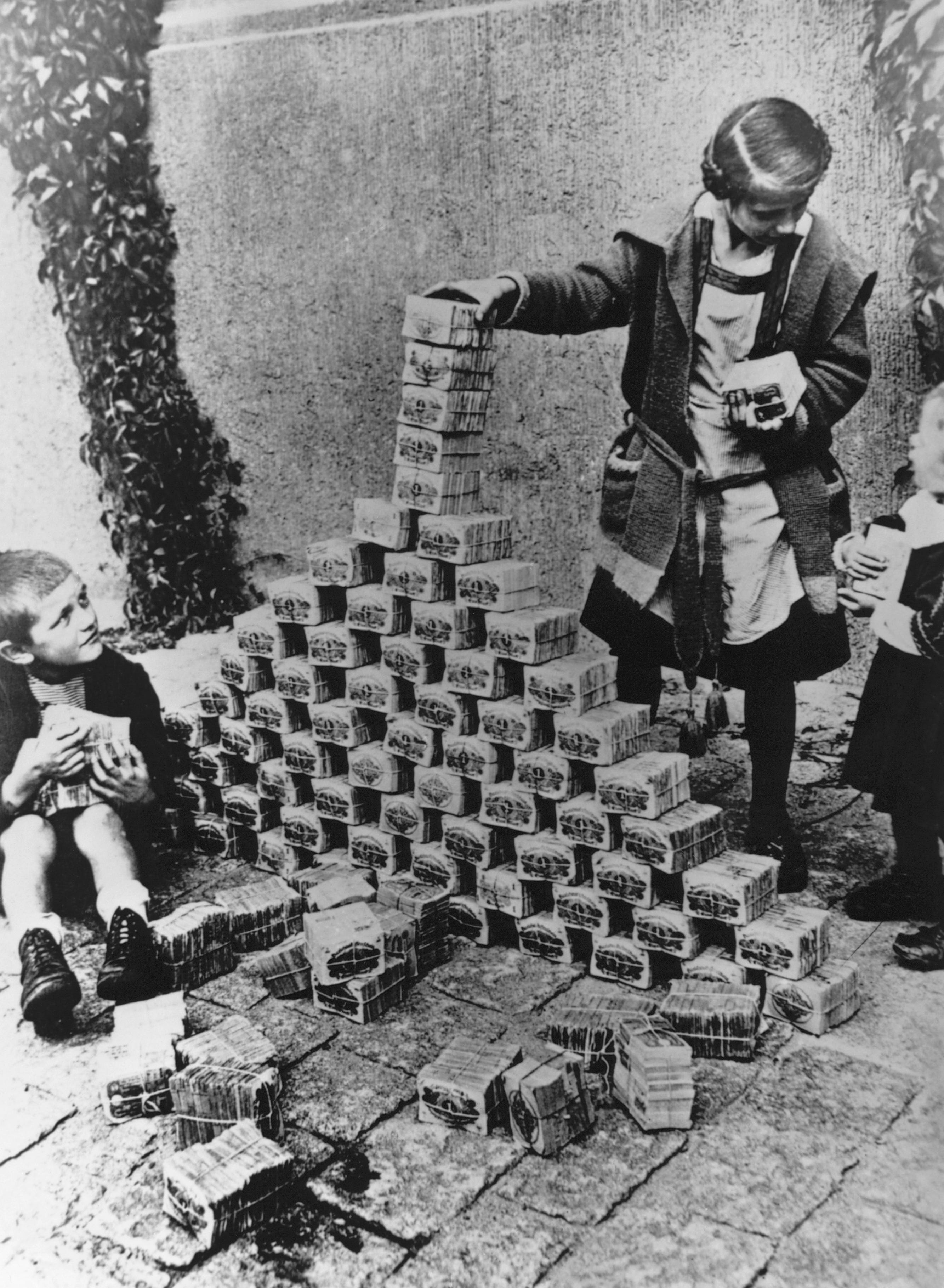
In most European history textbooks, right before the rise of Hitler, you’ll find pictures of German hyperinflation: children stacking worthless bills like building blocks, shopkeepers plastering banknotes as wallpaper. But like most facts half-remembered from school, events blur together.
Why was there hyperinflation? Was this the same as the Depression? And how did this all lead to the rise of the Nazis?
The Encyclopedia Britannica neatly sums up the conventional wisdom: “Ultimately, hyperinflation enabled Adolf Hitler to gain power, rising along with the leaders of a coalition of extreme right-wing parties before gaining control of the movement.”
The only problem with this story? It’s not true.
