

The Argument is thrilled to announce that Jeremiah Johnson is joining our growing editorial team as a staff writer. If you’ve been reading us, you already know his work. Jeremiah has written some of our most incisive pieces, including, “Sometimes you have to hurt people,” “The age of snark,” and “The most 2020s art ever made.”
At The Argument, Jeremiah will keep dissecting how technology is reshaping our politics and culture, taking on the conventional wisdom of both left and right, and following his analysis to its unflinching conclusions.
To support The Argument’s mission of revitalizing liberalism through public, rigorous debate, please consider becoming a paying subscriber. It’s how we bring on talented new writers, commission original polling, and produce fantastic audio and video content.
Join us. We’re Libbing Out.
- Jerusalem Demsas, editor-in-chief
Horror has always occupied a strange place in American cinema. It has consistently been one of the most profitable movie genres, cheap to make with outsized financial returns.1 But despite (or perhaps, because of) its ability to make money, horror has rarely been well-respected; historically it was considered a cut-rate if not outright disreputable style of film. Horror movies are often thought of as B-movies, schlock, or cheap thrills for teenagers; hardly worthy of serious critical attention.2
But horror has always had more depth than its detractors gave it credit for. Horror often holds a mirror to society, reflecting back at the audience our cultural anxieties and fears. Film critic Robin Wood called this the “return of the repressed” — the idea that the things society fears, denies, ignores, or represses eventually come back as monsters to haunt us.
This idea can be traced as far back as Mary Shelley’s novel Frankenstein, which depicted Romantic disgust with Enlightenment faith in technology, progress, and man’s domination over nature (it’s no accident it was remade during the age of AI). During the early years of the Cold War and the Red Scare, horror was dominated by themes like atomic power, invasion, infiltration, and hidden imposters.
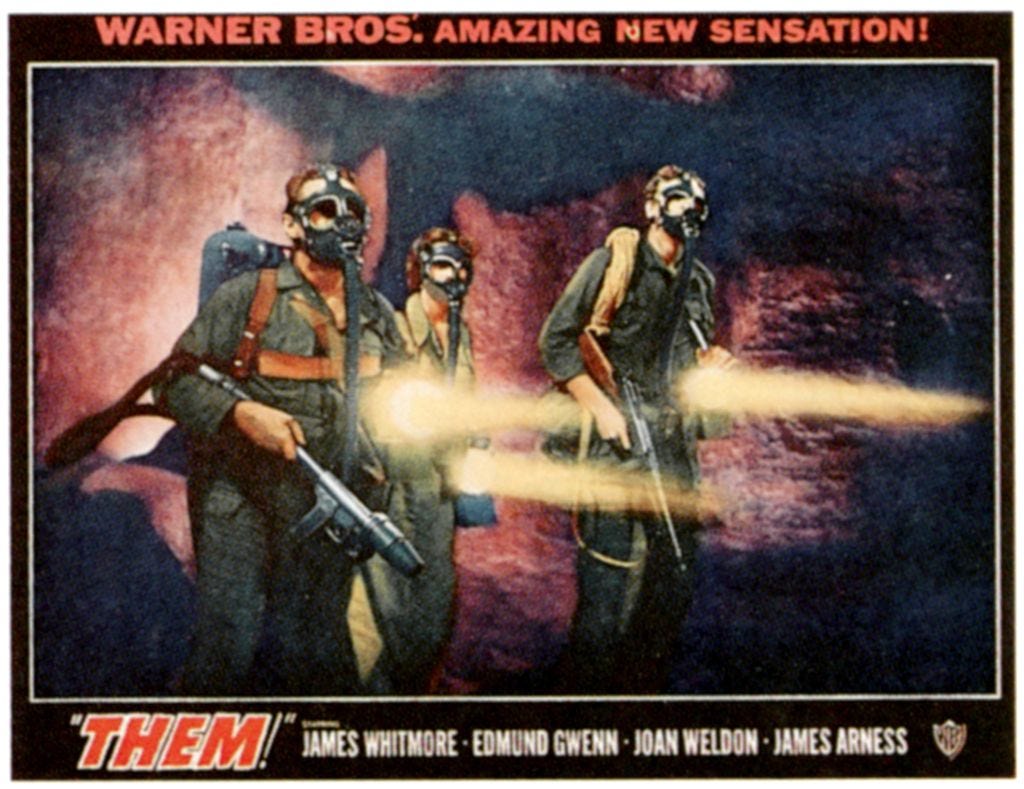
Some of these films were not subtle. The Blob featured a Soviet-red pile of goo that ate regular people, while The Day the Earth Stood Still and Them! are both explicit warnings about the dangers of the nuclear age.
Other horror movies were more nuanced — films like Invaders from Mars and Invasion of the Body Snatchers aren’t explicitly about the Soviet threat, but they play on 1950s fears of communist infiltrators.
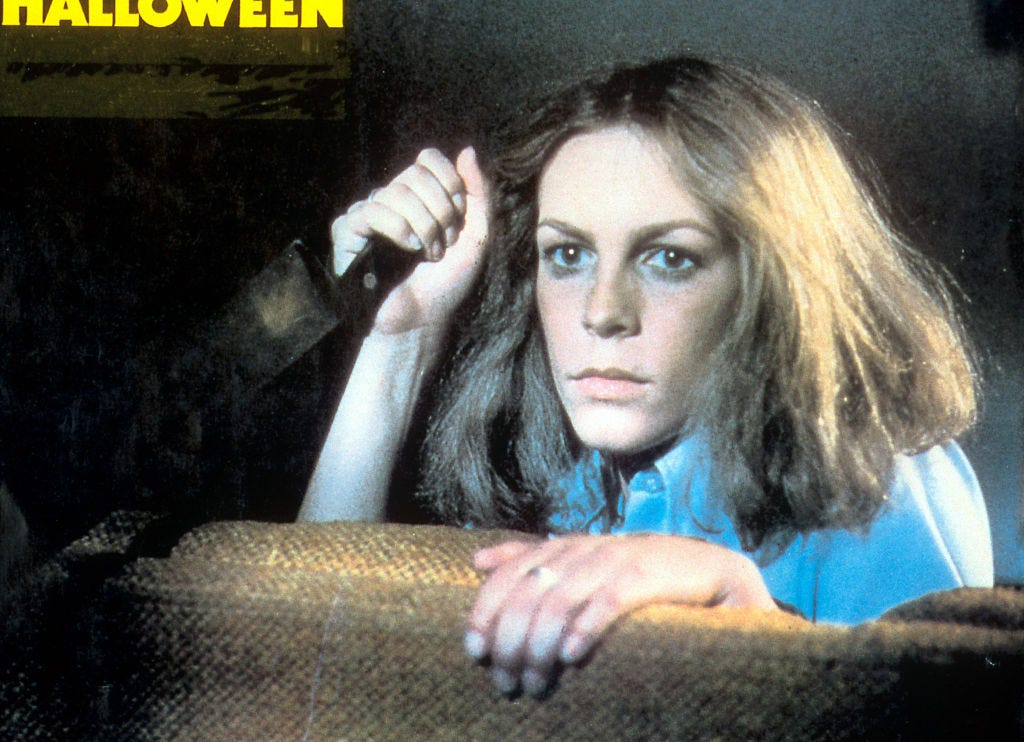
Other eras had their own unique fears reflected back at them. Slasher films in the 1970s and 1980s mirrored the turmoil of the ongoing sexual revolution, with films like Friday the 13th and Halloween focusing heavily on teenagers, sexuality, and purity.
These movies typically focus on a single spree-killing antagonist (reflecting a cultural obsession with serial killers) and feature a group of young people who experiment with drugs, sex, and freedom, and are then punished and killed for it. This is the generation of horror films that gave us famous tropes like the Final Girl3 — the last survivor, almost always a virgin, contrasted with sexually promiscuous side characters who die.
Today, the monoculture is everywhere dead, and horror is no exception. Horror, as a genre, is now too sprawling to only encompass one major theme at a time. Wikipedia (which admittedly takes a broad view of what counts as horror) lists more than 200 horror movies released just in 2025.
You can watch horror movies from recent years that feature any number of themes — body horror, invasion, sexuality, creepy children, traditional monsters, demons, aliens. Whatever your particular thrill, it’s out there.
But amid the multifaceted explosion of horror, there is one trend worth watching: The rise of “prestige horror” in the last decade shows that horror is still capable of speaking to our deepest anxieties. And those anxieties are increasingly not about horrible monsters or alien forces tearing society apart — they’re about what we’re doing to ourselves.
With apologies to fantastic films like 2013’s Under the Skin and 2015’s The Witch, modern prestige horror starts with one film — Get Out.
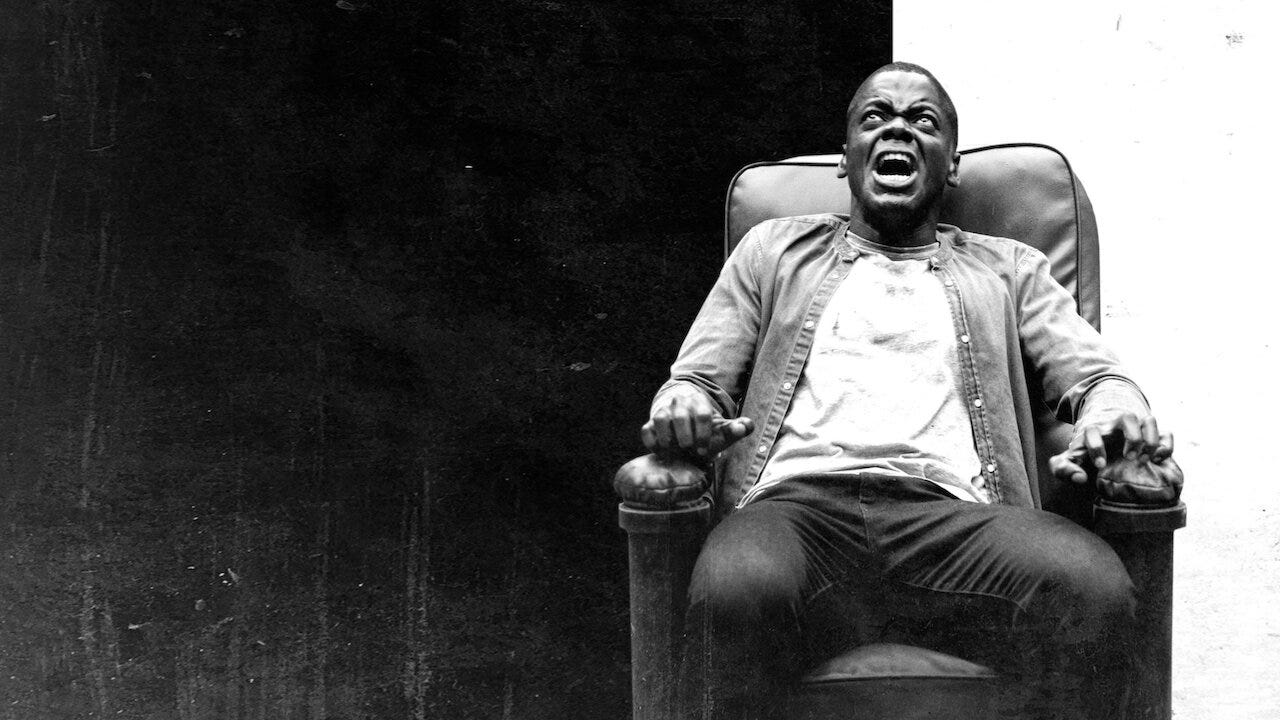
Jordan Peele’s directorial debut was the first horror film of its kind. It hit every single note for a successful prestige film of any genre:
It was written and directed by a single auteur director
It was enormously financially successful (it made almost $260 million with a budget of just $4.5 million)
It received near-universal acclaim from both audiences and film critics
It was nominated for four Oscars, including Best Picture, and won for Best Original Screenplay
It broke containment outside the siloed community of horror fans and became a widespread cultural phenomenon
Beyond any single award, Get Out felt like a film that simply had to be discussed. It was a film that was “about something,” a film that every commentator in the mainstream chattering class felt they needed to have an opinion on. And it led to a surge in more high-concept horror films that ended up highly reviewed and awarded. Audiences began to expect that the best horror films would include rich symbolism, political commentary, or social criticism.
Peele himself followed up with Us and Nope, but Get Out’s real legacy was cemented in the last few years, as horror began dominating the Academy Awards. At the 2025 Oscars, Nosferatu and The Substance grabbed a combined nine nominations.
But at the 2026 Oscars, horror had its most critically successful year ever. Sinners became the most nominated film in Oscar history with 16 nominations, winning Best Actor, Original Screenplay, Cinematography, and Score. And it wasn’t alone — Amy Madigan from Weapons took home the Oscar for Best Supporting Actress, while Guillermo del Toro’s Frankenstein bagged nine nominations and three wins.
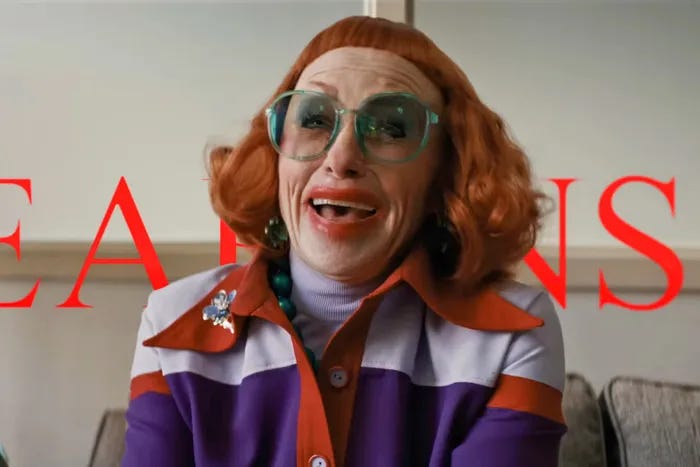
While previous eras centered on threats from external terrors, modern prestige horror is fixated on the enemy within. The greatest danger is not that we will be killed by a monster or abducted by an alien, it’s that humanity will become more a monstrous, more alien version of itself, transformed into something we no longer recognize. And it’s not the fault of some beast or external threat. It’s something that we’re doing to ourselves.
(Warning: Spoilers from here on for several films, including Backrooms and Obsession)
Consider:
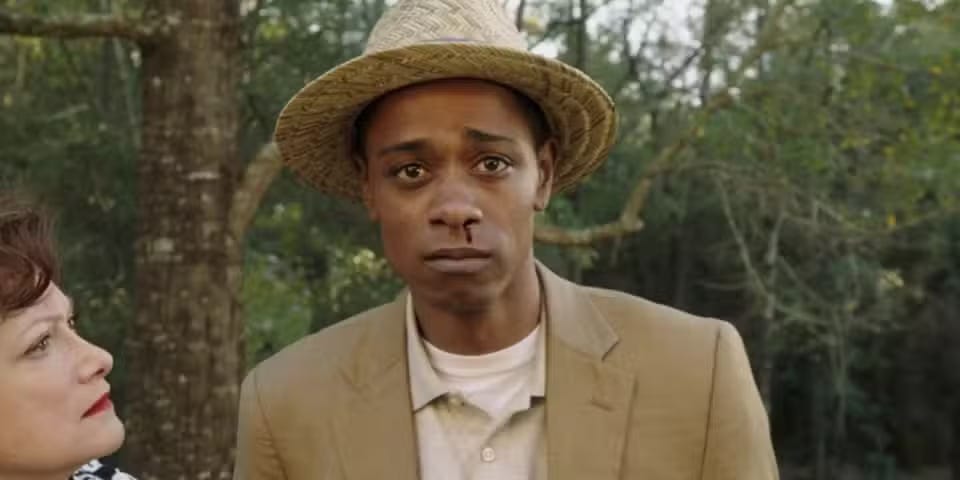
In Get Out, Chris’ identity is literally appropriated. He is threatened with a body that might survive, but an inner self that will be suppressed.
In Us, the protagonists risk being replaced by The Tethered, an antagonistic race of doppelgangers.
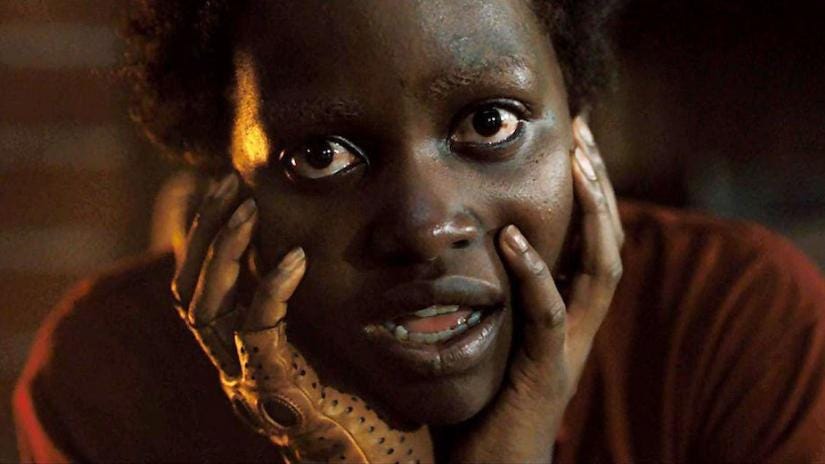
In The Substance, a supposed miracle drug literally splits Elisabeth Sparkle’s identity in two, as she destroys herself in pursuit of beauty and fame.
In Companion, a young woman discovers she is a love robot, rented by her “boyfriend” and programmed to believe she is really human.
In Sinners, our heroes aren’t threatened with outright death — they’re threatened with becoming more evil, vampiric versions of themselves.
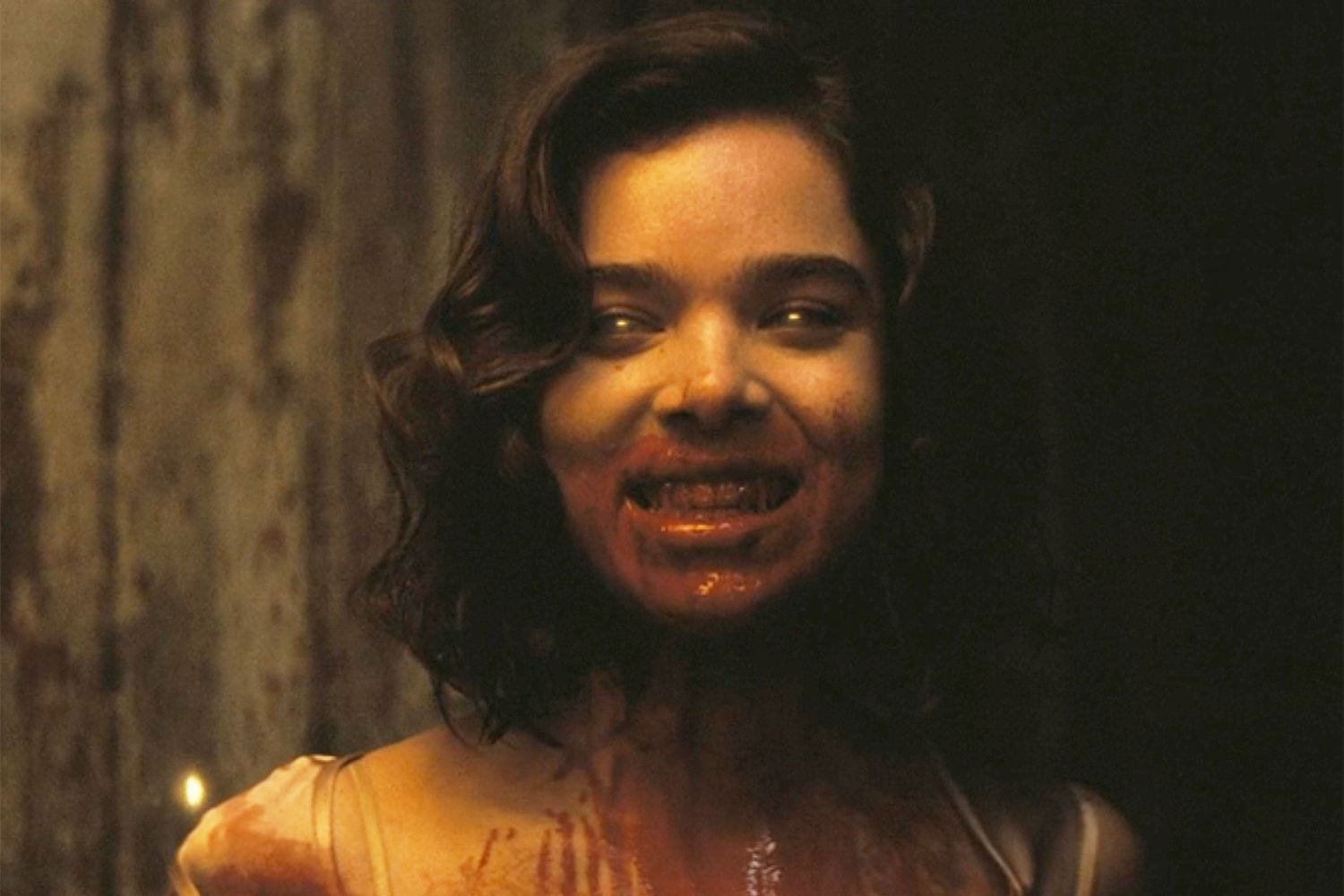
The two breakout horror hits of 2026 (so far), Obsession and Backrooms, continue this theme. Obsession follows a young woman whose mind is commandeered while a “freaky” facsimile wears her body. And in Backrooms, the monsters roaming the titular backroom spaces are distorted versions of real people.
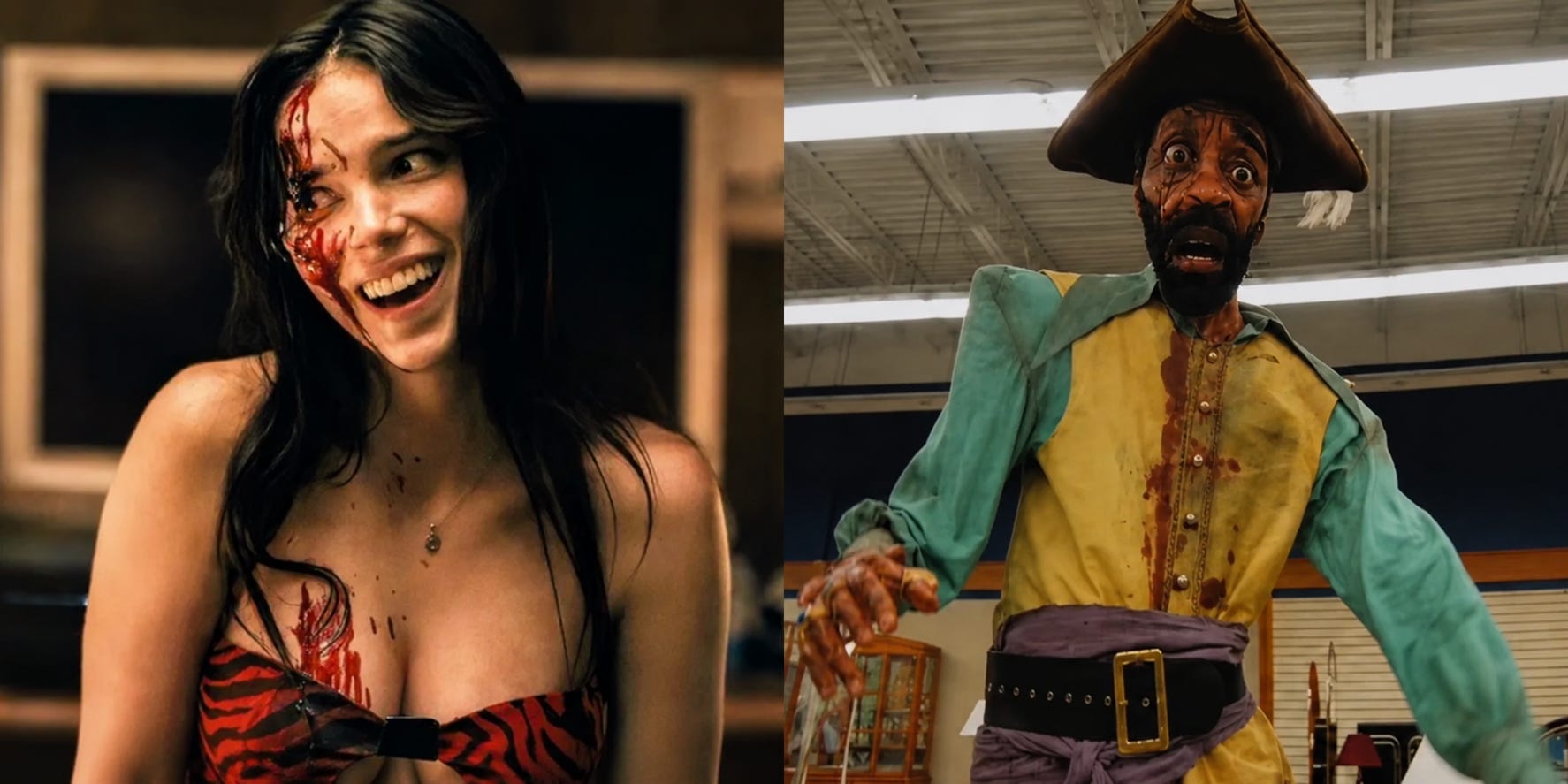
What I notice about these movies is how rarely outside forces or external evils are to blame. The instigating evil doesn’t come from aliens; it comes from your neighbors, your friends, or yourself.
Elisabeth Sparkle takes the substance of her own free will. Chris in Get Out is entrapped by a white, liberal girlfriend. Nikki in Obsession has her identity manipulated by a coworker.
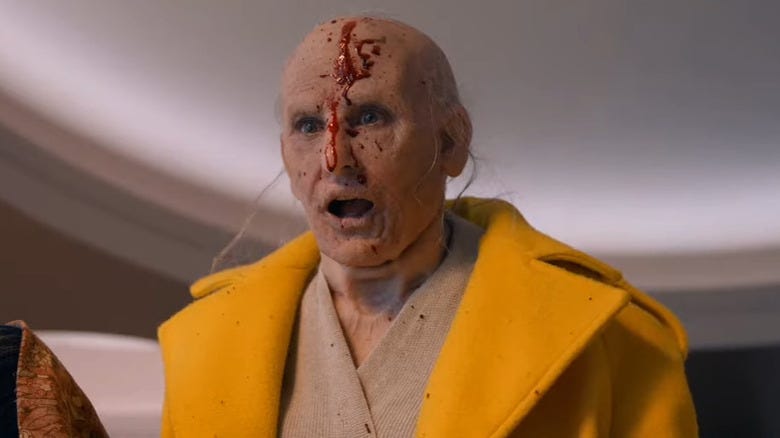
Some of these films still have a more traditional “big bad” attached — like the vampires in Sinners or the mysterious government program that created The Tethered — but, as Jordan Peele very straightforwardly told us with the title of his second movie, the real villain is Us.
There have been many successful horror movies over the last decade, and not all fit this mold. But almost every horror movie that penetrates the cultural discourse features this kind of story. It’s not an accident that while all three of Jordan Peele’s horror movies were successful, Nope had the lowest box office gross, the lowest critical ratings, and inspires the least discourse. UFOs and violent animals simply don’t excite or frighten us the same way that threats to our identity do.
The defining horror of the 1950s told us to beware of invasions and infiltrators. The horror of the 1970s and 1980s told us to fear dangerous individuals and to mistrust our newfound sexual freedoms.
Today’s horror mostly teaches us to fear losing control of our identity. If previous eras of horror were about surviving evil, prestige horror is about how to remain yourself in a world that’s trying to distort who you are as a person.
The modern world is trying to change us: Influencers tell us what to eat, think, wear, and believe. Algorithms influence every aspect of what we consume online. Social media incentivizes us to act in ways that we would have considered strange and alien just a few years ago.
More and more, people seem to be outsourcing their ability to think to AI. It can feel like our identities are now entirely mediated through a series of screens and platforms. And, worst of all, so many of our biggest fears are not about what will be done to us but rather what we will do to ourselves: Gambling, drugs, obesity, pornography, screen addiction… these are the result of poor choices as much as they are the result of our modern technological environment.
It’s frightening to wonder which parts of your self-image are authentically you and which parts are just ideas and traits you have passively absorbed from the media around you. Or, even worse, to wonder if there’s even a difference any longer.
Do you actually enjoy that hobby, or were you just swallowed by an algorithm that influenced you into the hobby for inscrutable, alien reasons? Are you really obsessed with that pop star, or did you just build an identity around stan culture that you’re now afraid to let go of? Do you actually hold those political beliefs, or have you been poisoned beyond reason by a totalizing landscape of online discourse that demands ideological fealty? Do you really hate Argentina, or have you been fed a series of bizarre conspiracy videos about how Messi is an agent of Israel?
These questions are all really the same question and the central anxiety of our time: Have I actually chosen who I am, or is my identity being shaped by sinister forces I can barely understand?
This is why Get Out, Sinners, Obsession, and the other films mentioned here resonate so strongly and inspire so much cultural conversation. The ultimate anxiety of the digital age isn’t centered around external threats, physical danger, or sexual taboos. It’s about how to be authentically oneself in a world that’s homogenizing identity.
There are thousands of brilliant engineers working for tech companies whose profession it is to design systems that, every day, in a thousand tiny ways, subtly nudge us to change some aspect of who we are. And the scariest question we can ask ourselves is whether we’ve become strangers to ourselves — and what the hell we’re supposed to do if we’ve already been replaced.
Recommended reading:
Why Americans think other Americans are bad people

The people blaming immigration and multiculturalism for the trust crisis have the story almost exactly backward.
The case for staying on Twitter

Leaving Twitter in 2026 is not deplatforming Nazis, it is deplatforming yourself.
A few examples: Psycho grossed $32 million at the box office on a budget of just over $800,000. George Romero’s Night of the Living Dead cost less than $115,000 and grossed approximately $30 million. The Blair Witch Project was shot for around $60,000 and collected more than $240 million worldwide.
This is arguably true of all genre art like comedy, superhero, science fiction, and others — more profitable and popular than prestige dramas, but less likely to garner critical acclaim.
Coined by Carol Clover in her 1987 article “Her Body, Himself: Gender in the Slasher Film.”

Congrats on the Argument!
Terrific work! Reflecting on the horror generation that preceded this one, I believe the defining horror of the mid oughts were “torture porn” films like Saw and Hostel. These were much more xenophobic —the scary foreigners and terrorist masterminds were sort of a throwback to the 50’s— but they also had a fairly naked fascination with moral questions at the center of the war on terror. “Would you saw off your leg to survive”, parallels the question of how many soldiers a nation can sacrifice, while the larger public goes about their day unscathed.
These films also present questions about whether those who are swallowed by hedonistic pleasures “deserve” the fate to which they’re subjected. If a drug addict is driven to change his ways by cutting out his own eye, was his tormentor actually benevolent the whole time? Do the ugly Americans who think that Slovakia is their personal playground “deserve” to be murdered by the highest bidder? This echoed the question of how much Americans “deserved” to be hated by Al-Qaeda and the like, while also suggesting that perhaps the rich were more to blame than the small folk caught up in their schemes.
The more mainstream version of these same questions was The Dark Knight, but Saw and Hostel were asking them first!
I only bring this up because I think it’s interesting how these themes have morphed into the generation you’ve described. Some themes completely fell by the wayside, while others seem to live on, but the fascination with questions of morality seems less prominently placed.