

Editor’s note: The first essay The Argument ever published asked, “How do we live with each other?” To mark our first anniversary on August 17, we’re returning to that founding question with a series about what we owe people whose beliefs and choices we may find difficult to accept or even understand. Over the next six weeks, familiar voices at The Argument and new voices alike will approach that question from different angles.
Kelsey Piper continues this series by answering a question I posed to her some weeks ago: How do you live with people who are better than you? Inequality is a fact of life. Eradicating inequality that stems from injustice is a big part of the work of liberalism. But what about all the other kinds of inequalities that arise from ordinary differences? Some people really are just better singers, athletes, writers, friends, and businessmen. What, if anything, does liberalism have to say about the zero-sum contests that occupy so much of our lives?
To receive every essay in this series, subscribe today.
– Jerusalem Demsas
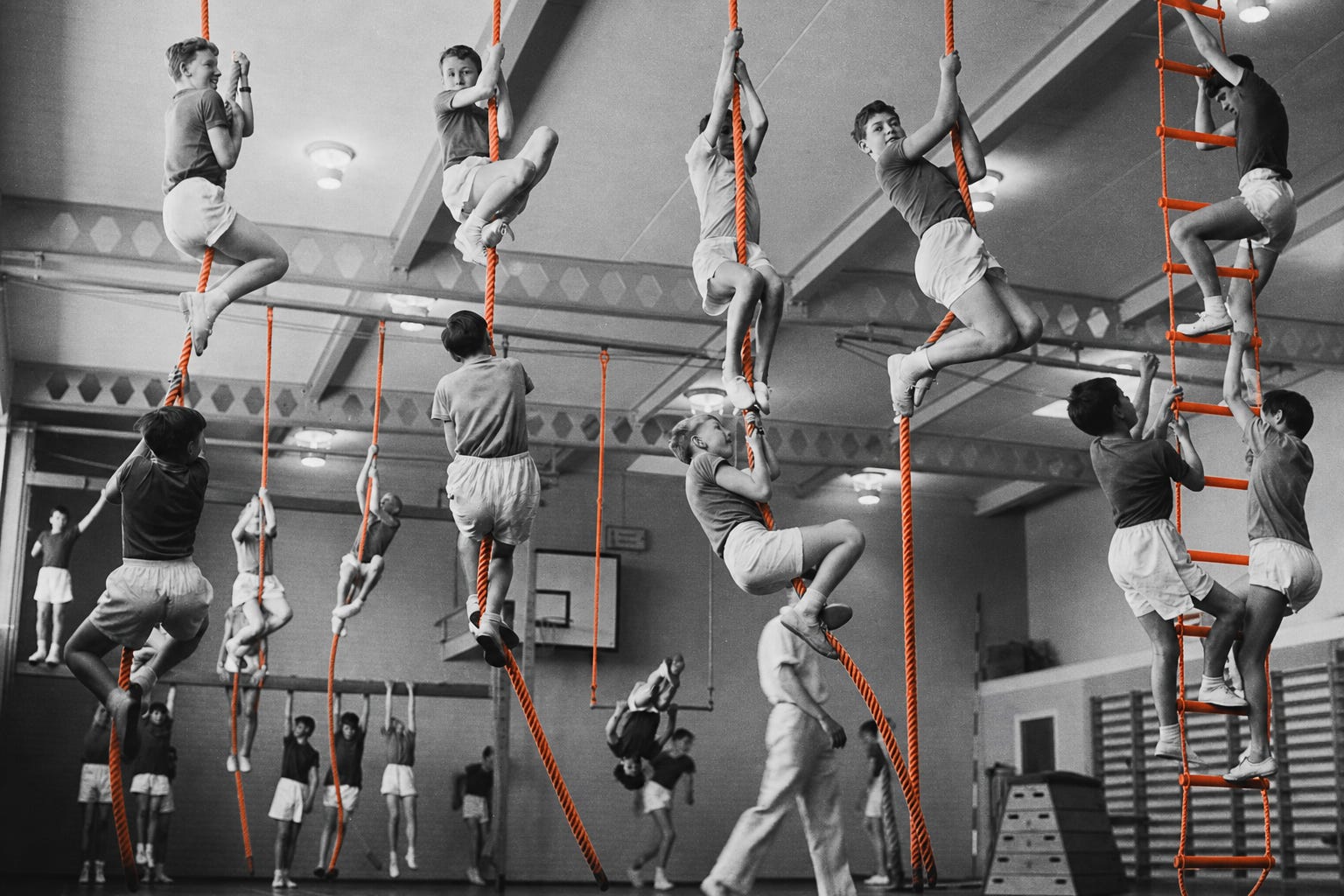
When I teach second graders about the Declaration of Independence, they often object to the claim that all people are created equal.
No, they’ll point out, some people are just better — at sports, at school, at games, you name it. I can usually quiet their objections by pointing out that different people are good at different things: some are good at math, some at reading, some at drawing. This is an incomplete reassurance, and the second graders know it. Some people are kind of better at everything.
A stronger response is to just keep reading the rest of the sentence. The founders did not claim that we’re all equal in abilities, but that we were created equal in worth — in our right to life, liberty and the pursuit of happiness.
Our equal worth, in other words, is not the sum of our very unequal abilities.
Like everything else declared “self-evident” in the most radical political document of all time, this is far from self-evident — and even less self-evident is what it means. Equal protection under the law is necessary but not sufficient for a good society. Should we embrace the inequalities that arise from unequal abilities, or try to tamp them down? If income inequality is undesirable, should all jobs pay the same? Should we cancel educational programs that magnify the disparities between good and bad students?
I don’t think our society likes these questions. We shy away from answering them directly, and occasionally we back into absurd answers that no one would endorse directly. But we would probably be served by having a second grader’s willingness to admit the problem squarely. We need to find a way to build an egalitarian society that separates unjust inequalities from inevitable ones — and makes productive use of the latter.
We used to be less squeamish about this conversation. During the 1955 Brown II arguments over implementation, lawyers defending delay argued that differences in performance between Black and white students made desegregation difficult to carry out. Thurgood Marshall, exasperated, responded, “Put the dumb colored children in with the dumb white children, and put the smart colored children with the smart white children — that is no problem.”
I boggled, reading this, not because Marshall is wrong — he’s obviously right! — but because it’s hard to imagine anyone saying this in 2026.
But if we decide that it’s too awkward to talk about inequality of abilities, then the political equalities that we actually care about become harder to defend. Even if we rid ourselves of unjust inequalities — like the fact that some children grow up without access to clean air while others are taught to read before they go to school — there will still be inequality. Many inequalities are born of injustice, but there would still be some people who are smarter, faster, funnier, prettier, and luckier in a truly just world. Moreover, the circumstances we live in will prize certain skills over others in unpredictable ways, as those quants in software engineering are just now finding out.