

Welcome to the The Closing Argument, our verdict on the news, plus everything The Argument published and appeared in this week. If you enjoy this newsletter, please forward it along!
The Verdict
This week made it clear that we’re living through a third American revolution. Maryland Sen. Chris Van Hollen’s proposal to eliminate federal income taxes for half of U.S. workers is just the latest entry in our anti-tax decade.
In 2020, Joe Biden promised that no household earning under $400,000 would see an increase in taxes. And in 2024, The Wall Street Journal’s Will Parker argued that we were in the middle of a property tax revolt.
Homeowners who checked their Zestimates during the COVID-19 years may have been delighted to find their homes had appreciated in value without any work on their parts, but with great wealth comes great taxation. When property tax bills came due in 2023, local governments collected $363.3 billion in property taxes on single-family homes, the largest increase in the preceding five years.
And then came DOGE, which promised to cut trillions in government waste and return the savings to taxpayers as checks.
Affordability is the political buzzword of the moment, which I worry rationalizes anti-tax politics too cleanly. Our modern-day tax revolt is not best understood as middle-class taxpayers buckling under the pressure of onerous taxes and grocery bills. It’s best understood as a crisis of faith in government.
My Instagram Reels feed is filled with people pledging not to pay their federal taxes this year, including resistance hero Rachel Cohen. The argument from the left is that our tax dollars are being used to fund mass deportations, war, and corruption, rather than valuable social programs. The argument from the right is that they are going toward government waste, fraud, and abuse, often attributed to immigrants who have been repeatedly cast as the new welfare queens.
But the conclusion is the same: The government is using your money poorly, and if you cut taxes, that won’t actually hurt anything you care about like schools or infrastructure.
Which is why, just as the Boston Tea Party marked the beginning of the first American revolution and California’s Proposition 13 marked the beginning of the second, DOGE is the best place to mark the beginning of the third American revolution.
The implicit promise of DOGE was “something for nothing.” That is, that important and popular government programs would go untouched while Musk and his motley crew cut trillions in government waste. Something for nothing is also the tagline of a great book about the 1970s tax revolt, which drew on public opinion data to complicate the idea that the California revolt was driven by economic self interest.
As the authors pointed out, homeowners were only slightly more likely to support the anti-property tax measure than renters. Instead, the strongest predictors of support were distrust in government, anti-spending sentiment, and “symbolic attitudes” like racial resentment.
DOGE’s website displayed a counter of alleged savings per taxpayer, at one point claiming to have saved each of us almost $1,000. Trump once promoted a plan from the anti-tax, antisemite candidate for Florida governor, James Fishback, which promised to send DOGE savings back to taxpayers as checks.
Both the left and right anti-tax voices are wrong.
DOGE, of course, was unable to make even a small dent in the federal budget. Instead, it ended with Elon Musk slinking away after potentially costing us tens of billions of dollars.
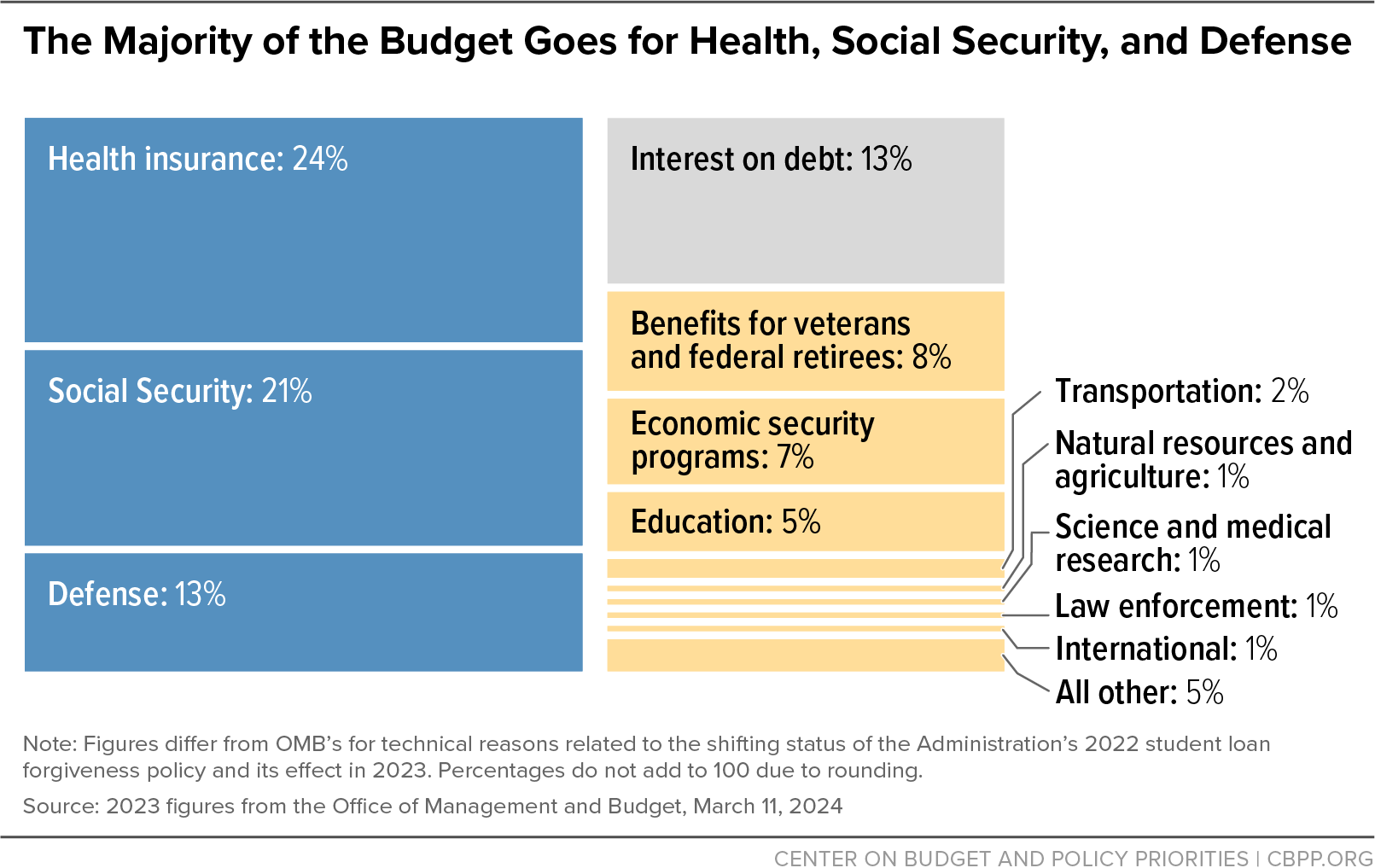
But the left is wrong too. Our taxes are largely going to social programs: In 2026, nearly 28% goes to Medicare, Medicaid, the Children’s Health Insurance Program, and the Affordable Care Act. Another 22% goes to Social Security, and just 14% goes to defense spending.1
For conservatives, the impact of anti-tax politics at least in part achieves their long-stated goals to reduce the size and scope of the federal government (though it also reduces the government’s ability to act quickly and nimbly). But for those on the left, this type of anti-tax mania is entirely counterproductive.
Top stories this week


As we grow, I want to make sure you see everything we’re doing without flooding your inbox with dozens of emails. But for the real libs, you can get every post as it drops by opting into The Mag here.
🌟Abundance Wins of the Week🌟
TerraPower gets construction permit — first new nuclear reactor approved in nearly a decade
DOE announces $171.5M for next-generation geothermal nationwide
Fourplexes and ADUs are exempted from environmental review in Maine!
Illinois governor unveils sweeping statewide zoning overhaul
Virginia makes manufactured homes legal everywhere single-family homes are
Worth watching...
Every Wednesday, Lakshya Jain, our director of political data, will go live on Substack with leading election nerds to discuss what’s going on in politics that week.
This week, Lakshya went live with Split Ticket’s Armin Thomas to break down the Democrats’ senate strategy and joined VoteHub’s Zachary Donnini and Armin to talk Texas senate primaries.


Subscribe to The Mag so you don’t miss future live election breakdowns.
What’s News with The Argument
We’re hiring a Senior Editor to join our team. Are you a liberal? Do you love to argue? Do you read social science research for fun? Apply!
All of The Argument merch is great, but we’ve recently added a tote bag to our shop (as always, send us a picture of you with your merch in the wild and we might just feature it in this weekly roundup…)
The Argument recommends
Here’s what our staff is reading, watching, and listening to this week:
Books:
Comemadre by Roque Larraquy
The Employees by Olga Ravn
The Romantic Legacy by Charles Larmore
TV/Movies:
Music:
“Save Us Sarah,” The Smokey Brights
“Each Coming Night,” Iron & Wine
“Made It On Our Own,” Yeat and EsDeeKid
Articles:
“Why Chinese people spend so much on food,” The Economist
“Good People,” David Foster Wallace, The New Yorker
More to read:


Tax wonks know that there are major definitional debates about what constitutes defense spending. The 13% refers to all spending on DOD military activities (salaries, weapons procurement, building military bases, military R&D, etc., etc. But other defense-related activities aren’t strictly counted in this bucket, like the Department of Energy’s nuclear program, veterans’ healthcare and benefits, and some other expenditures.
We need more tax revenue and we need the tax code to be more progressive. What we don't need is Sanders' billionaire tax fulminations, which is political theater.
You might be interested in the post I published yesterday to that effect. I compared wealth taxes to AOC's Met Gala "Tax the Rich" dress.
https://www.davidnroberts.com/p/taxes-inequality-envy
(Let me know if you don't want comments with links to relevant articles; I'm fine when others do it on my newsletter, but I'm happy to delete this if you have a different policy.)
Chris Van Hollen has lost the plot! Such a terrible idea he is floating.
Thank you thank you thank you for writing this article.